
This is the next instalment in our Building Homeschool Central series, the ongoing, honest account of what it actually takes to build this platform. We launched yesterday at 12 noon, and we're writing this just over 25 hours later, both of us still a little wired, numbers still moving on the screen in front of us. Here's exactly what happened, the real figures, what worked, what didn't, and where we're headed next.
The Numbers
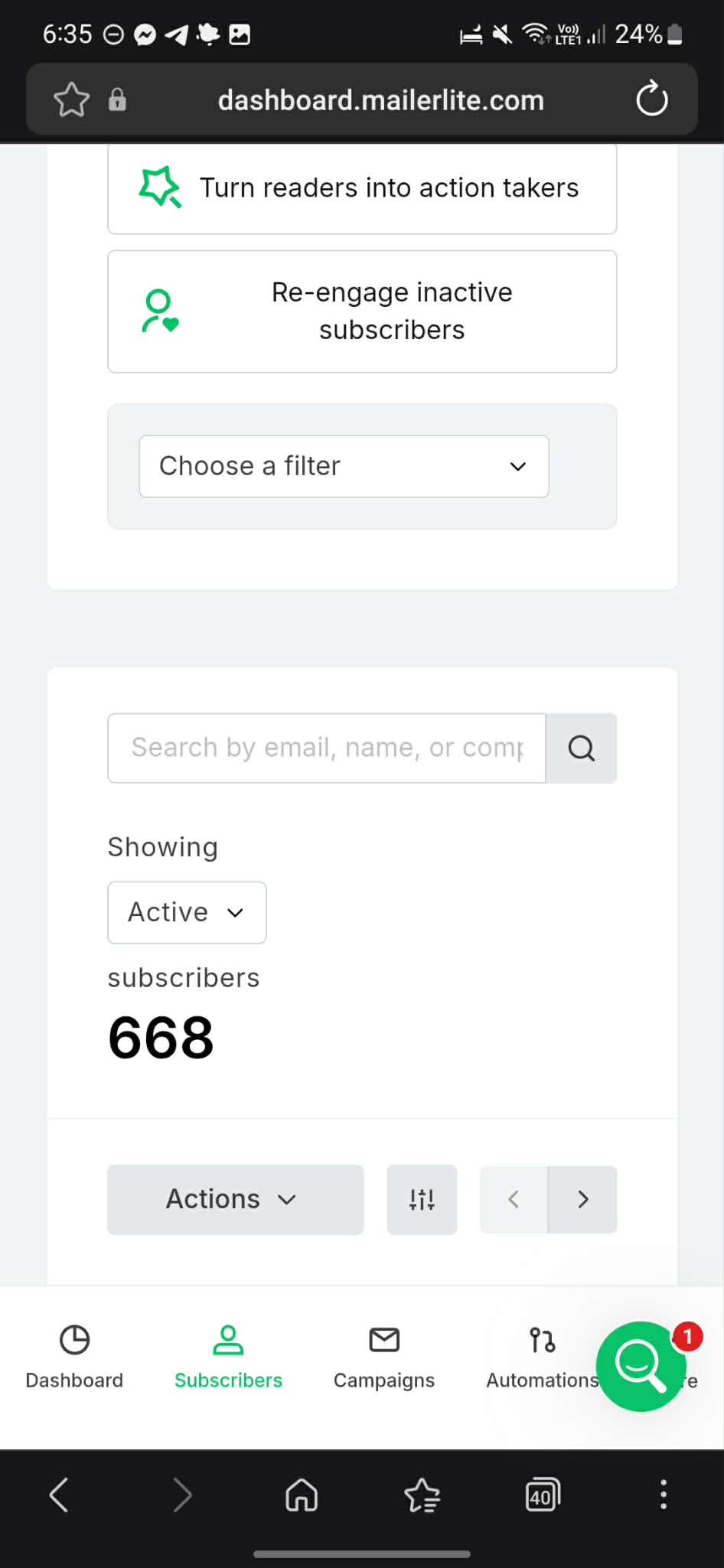
At 12 noon on launch day, we sent an email to our 512 subscribers with the platform link and a code giving the first 100 families a free year. The open rate came in at 36.13%, genuinely strong for a launch email, and the response was immediate. For the entire first hour, we watched a new family join roughly once a minute. Within five hours, we'd welcomed our first 100 families.
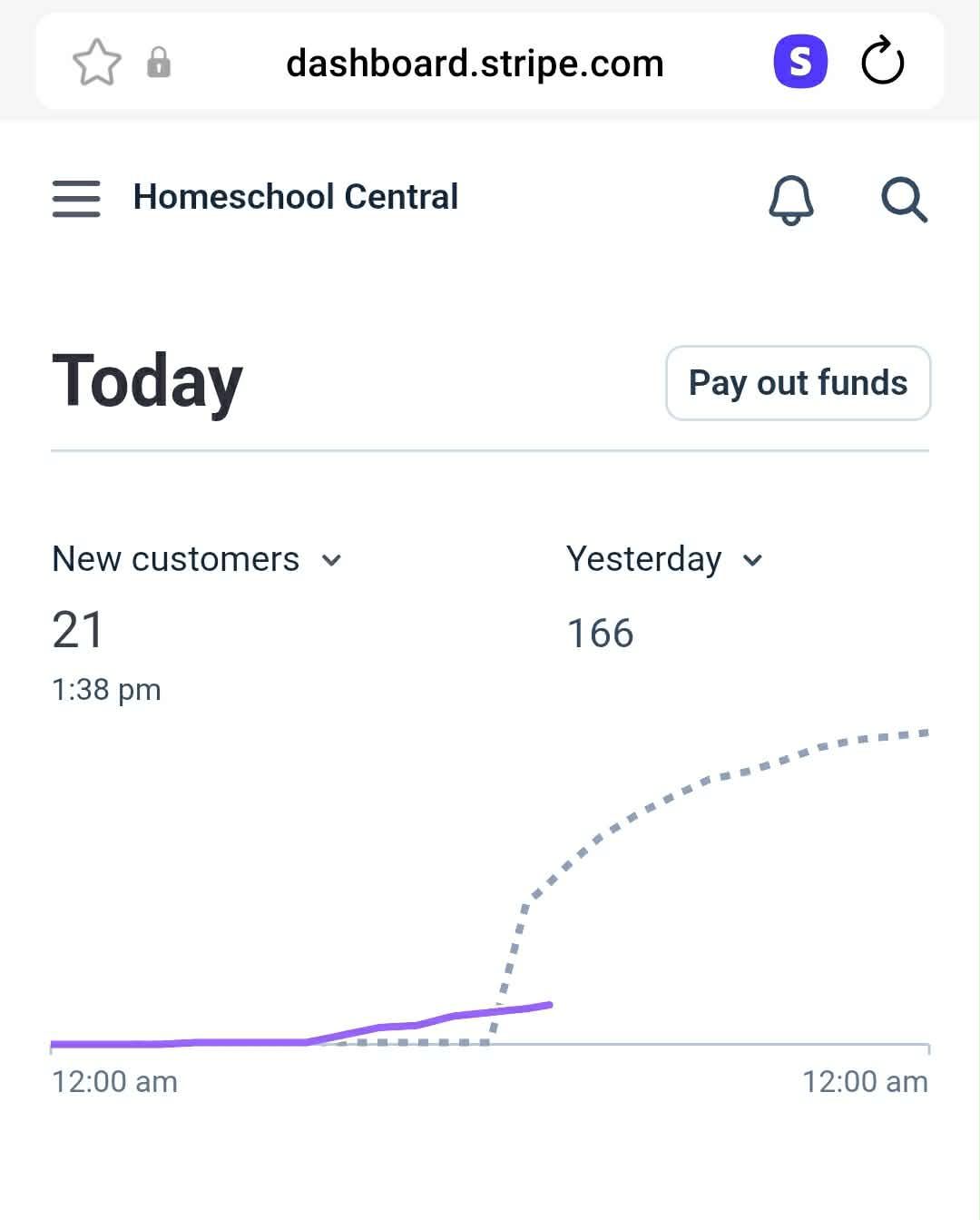
By the end of day one (8 September), 166 families had signed up and completed payment. Today, another 21 have joined. That's 187 families, 25 hours in, for a platform we only started building back in May.
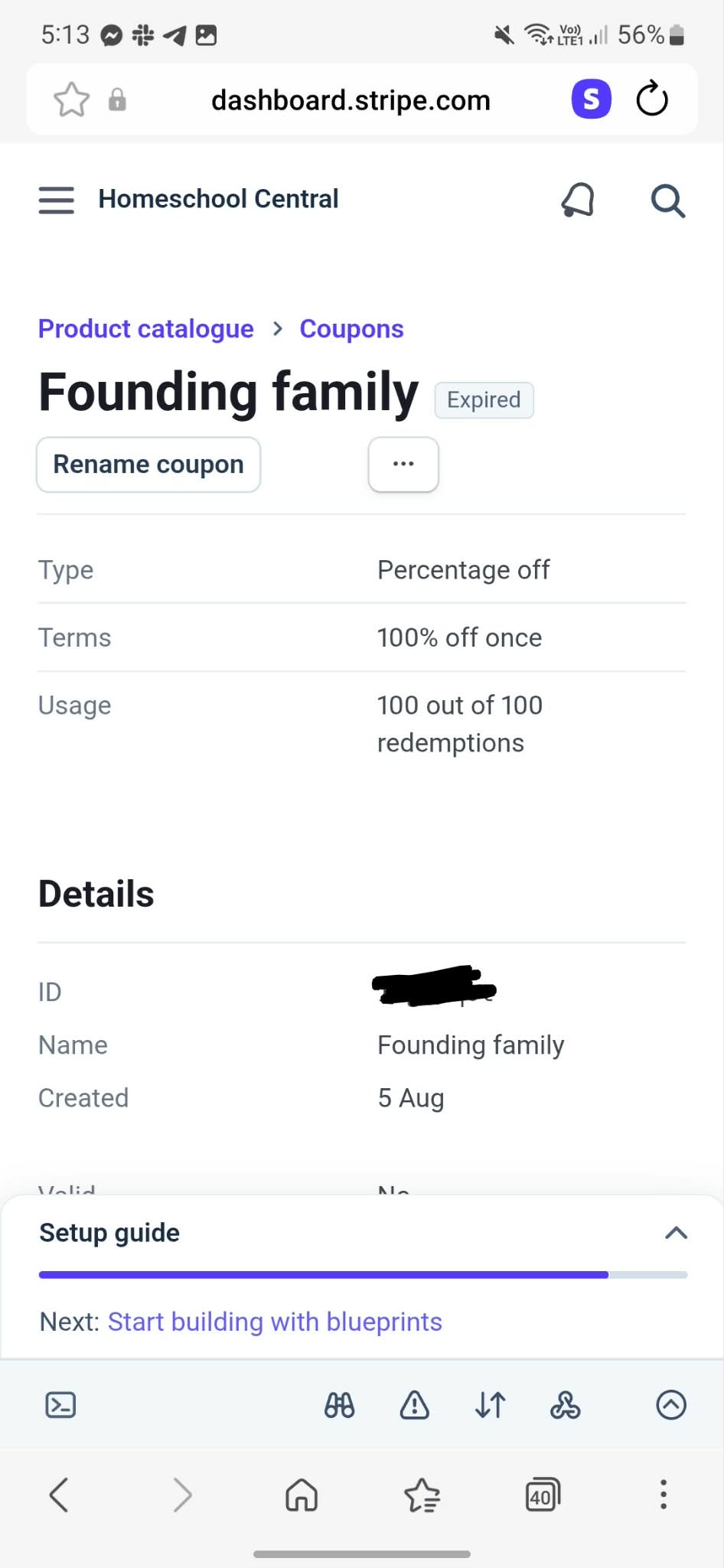
One number we're genuinely proud of: all 100 free-year codes were claimed within about five hours of that email going out. As we were watching the numbers, we hoped that it would be by 5pm, but it took until 5:13pm.
What Worked Well
We didn't just send an email and hope. In the lead-up to launch, we shared a printable poster and a set of social media designs with our founding business partners, so they had something ready to post the moment we went live. Throughout the day itself, we stayed proactive on Instagram, sharing updates and spotlighting the businesses that had already joined. We also posted directly into local Facebook groups and our own existing community to let people know we'd gone live, rather than assuming the email alone would reach everyone. It meant launch day felt like a whole community pushing together, not just us shouting into the void and hoping someone heard it.
Watching a family join once a minute in that first hour is genuinely hard to describe. We'd had close to 600 people on our waitlist since we opened it, but there's a real difference between a waitlist number sitting quietly on a spreadsheet and watching real families choose you, in real time, on the very first day you exist. Every single one of those small notifications felt like proof that this is what the community actually wanted, not just something we hoped they'd want.
What Didn't Go Perfectly
We didn't expect the volume we got, which is a nice problem to have, but a scramble all the same. Signups came in fast enough that we had to update our email system mid-launch to make sure transactional emails, confirmations, receipts, welcome emails, kept sending reliably under the load. Families never saw this happening, but we very much felt it on our end.
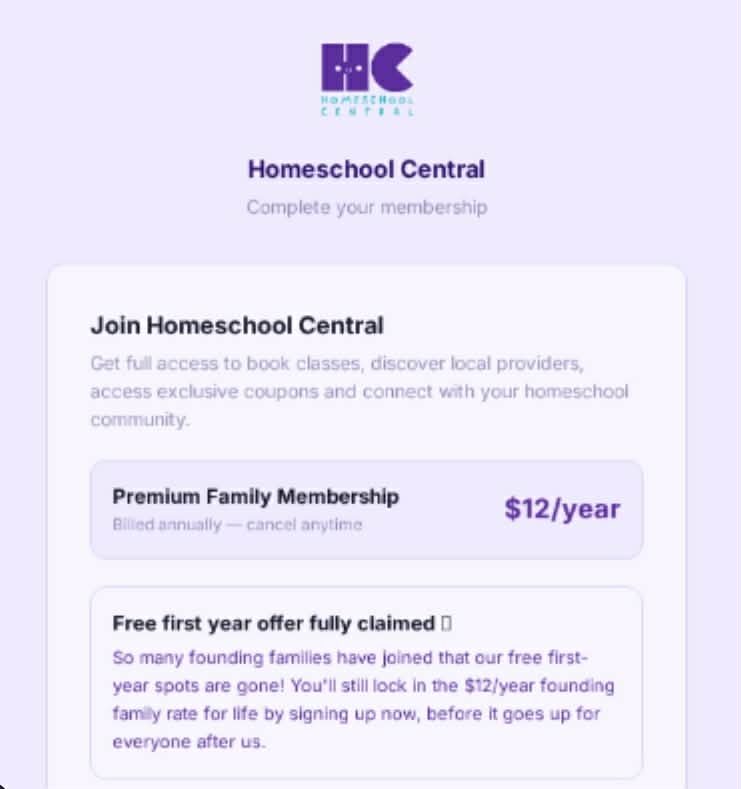
There was also a lull of about 30 minutes once all 100 free-year codes had been claimed. Understandably, people kept trying to enter a code that had already run out. Our first fix was reactive: we added a clear message to the page explaining the code had been fully redeemed, rather than letting it throw a confusing error. Even then, some people missed the message and reached out to us directly, wondering why their code wasn't working. A good reminder that fixing something and everyone actually seeing the fix aren't quite the same thing.
Where Families Are Joining From
By state, the breakdown so far: Victoria leads clearly at 70%, followed by Queensland at 16%, New South Wales at 10%, and Western Australia, South Australia and Tasmania combined making up the remaining 4%.
Within our named launch areas, Casey in Victoria has been our single strongest cluster, just ahead of the Mornington Peninsula itself, followed by Frankston, the Dandenongs, and the Sunshine Coast in Queensland. Beyond our three launch regions, we're also seeing a genuine spread of interest across other parts of Victoria, Queensland and New South Wales, families we haven't built for yet, but clearly should.
On ages, families with primary-age children (6 to 11) make up the clear majority, with preschoolers close behind, and smaller numbers of middle and high schoolers. Our base skews young, which tracks with what we'd expect this early.
The Honest Bit: Families We Didn't Capture
Here's something we can't back with hard data, only with what we were told directly and what came up in comments: some families visited, saw there wasn't much listed in their specific area yet, and decided to hold off.
We completely understand that instinct. But we also don't have a number for it, or a way to know exactly where those families are, and that's the part that genuinely stings a little. Every family who does sign up, even in an area with just a few listings so far, gives us a real signal of exactly where to build next. So if that's you, we'd love to have you anyway, not because we need the number, but because for $12 a year, you're quite literally helping us decide where Homeschool Central goes next.
It was always going to be impossible to have every corner of the country populated by launch day, and we knew that going in. The families who did sign up, especially those just outside our three launch regions, have already given us exactly the data we need to know where to focus.
What's Next
Two clear priorities coming out of this. First, we're focusing on properly building out the areas where we're already seeing real signups but don't yet have listings, Casey and Frankston especially, alongside the pockets of interest showing up further afield. Second, we're going to survey our new families directly on which features from our roadmap matter most to them next, the same approach that shaped our original build priorities when the waitlist told us community and events mattered more than we'd planned for.
Four months of building, 25 hours live, 187 families, and a genuinely long list of things we've already learned. We'll keep sharing it as it happens.
Homeschool Central is Australia's dedicated platform connecting homeschool, unschool and world school families with local classes, camps, events and providers. This post is part of our Building Homeschool Central series, an ongoing, honest look at what it takes to build the platform.